
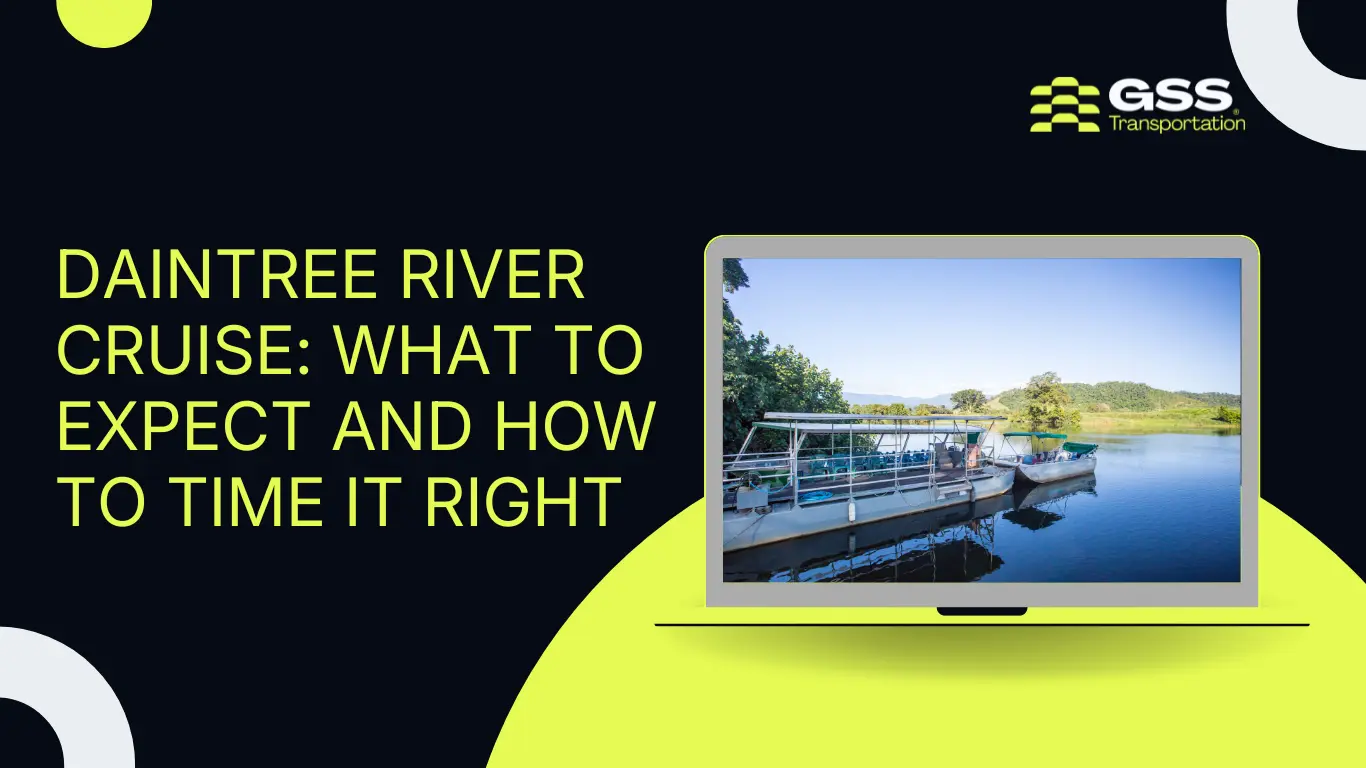
Somewhere along a mangrove-lined bend of the Daintree River, on a cool morning with the tide low, there’s a good chance a five-metre saltwater crocodile is lying motionless on the mud, doing nothing more dramatic than warming itself in the sun. That’s the whole appeal, and it’s a strange thing to explain to someone who hasn’t done it. You’re not paying for a show. You’re paying for the chance to sit quietly in a boat while an animal that predates most of what’s around it goes about its morning, completely indifferent to the fact that you’re there.
Timing Decides Almost Everything
Ask anyone who runs these cruises for a living and they’ll tell you the same thing: when you book matters more than which operator you pick. Crocodiles are cold-blooded, so they hunt for warmth the way the rest of us hunt for shade, hauling out onto exposed mud banks to raise their body temperature rather than staying submerged. That behaviour is far more common through the dry season, roughly May to October, when cooler water pushes crocodiles up onto the banks more often and for longer. Reputable operators commonly report sighting success in the 98 to 99 percent range during these months. Come back in the wet season and the odds drop noticeably, since warmer water gives crocodiles less reason to leave it.
Within a dry-season booking, the finer detail is tide and time of day. Low tide exposes more bank, and a cooler early morning departure tends to outperform a midday one for the same reason the season does. Book a 7am cruise in July over a 1pm cruise in January and you’ve stacked the odds meaningfully in your favour before the boat has even left the jetty.
The River Isn’t Only About the Crocodile
It’s worth saying plainly that crocodiles are why most people book, but they’re not the only reason the trip is worth taking. The Daintree corridor is genuinely busy with life once you slow down enough to notice it: herons and kingfishers working the shallows, birds of prey circling overhead, tree snakes coiled in the mangroves, and, depending on the season, flying foxes shifting between roosts at dusk. A good guide reads all of this the way a local reads their own street, pointing out things a first-time visitor would glide straight past. Because none of it is staged, the same stretch of river can look completely different from one cruise to the next, which is part of why people who’ve done it once tend to go back.
What Actually Happens Once You’re On the Water
Most cruises run 60 to 90 minutes on flat-bottomed or low-profile boats built specifically to move quietly, since noise is the one thing guaranteed to send wildlife back into cover. Some operators cover an upper stretch of the river, others a lower stretch, and a handful offer both across a roughly 12-kilometre section, so if crocodile density is genuinely your priority, it’s worth asking exactly which stretch a particular cruise covers rather than assuming they’re interchangeable. If you’re building a longer day around Mossman Gorge or Cape Tribulation, a lot of full-day tours from Cairns or Port Douglas fold a single one-hour cruise into the itinerary as one stop among several, which is fine if that’s what you want but worth knowing if you’re actually chasing a longer, more focused wildlife experience rather than a quick add-on.
One thing that’s not up for debate, whatever the water looks like from the boat: this river is a genuine crocodile habitat, and swimming in it isn’t something QPWS guidance treats as a grey area. Admire it from the deck.
Getting Up There
Cruise departure points cluster around Daintree Village and the Daintree River ferry crossing, roughly two hours by road from Cairns or about 45 minutes from Port Douglas. Almost nobody treats the cruise as a standalone outing given how far it is, most people build it into a wider Daintree day alongside Mossman Gorge, Cape Tribulation, or both, which makes sense of the drive either way.
For visitors starting from Cairns, a private Cairns Airport to Daintree Village transfer takes the ferry timing and the drive back off your plate, which matters more than it sounds like it should once you’re juggling a cruise departure window on top of everything else in the day. If Port Douglas is your base, it’s the shorter run up, and the Cairns Airport to Port Douglas transfer is the better starting point for planning the rest of the trip north.
Bring sunscreen, a hat, and binoculars if you own a pair, since a lot of the birdlife rewards a closer look than the naked eye gives you from a moving boat. Beyond that, the only real preparation is picking the right morning. Get the season and the tide right, and the rest of it takes care of itself.