
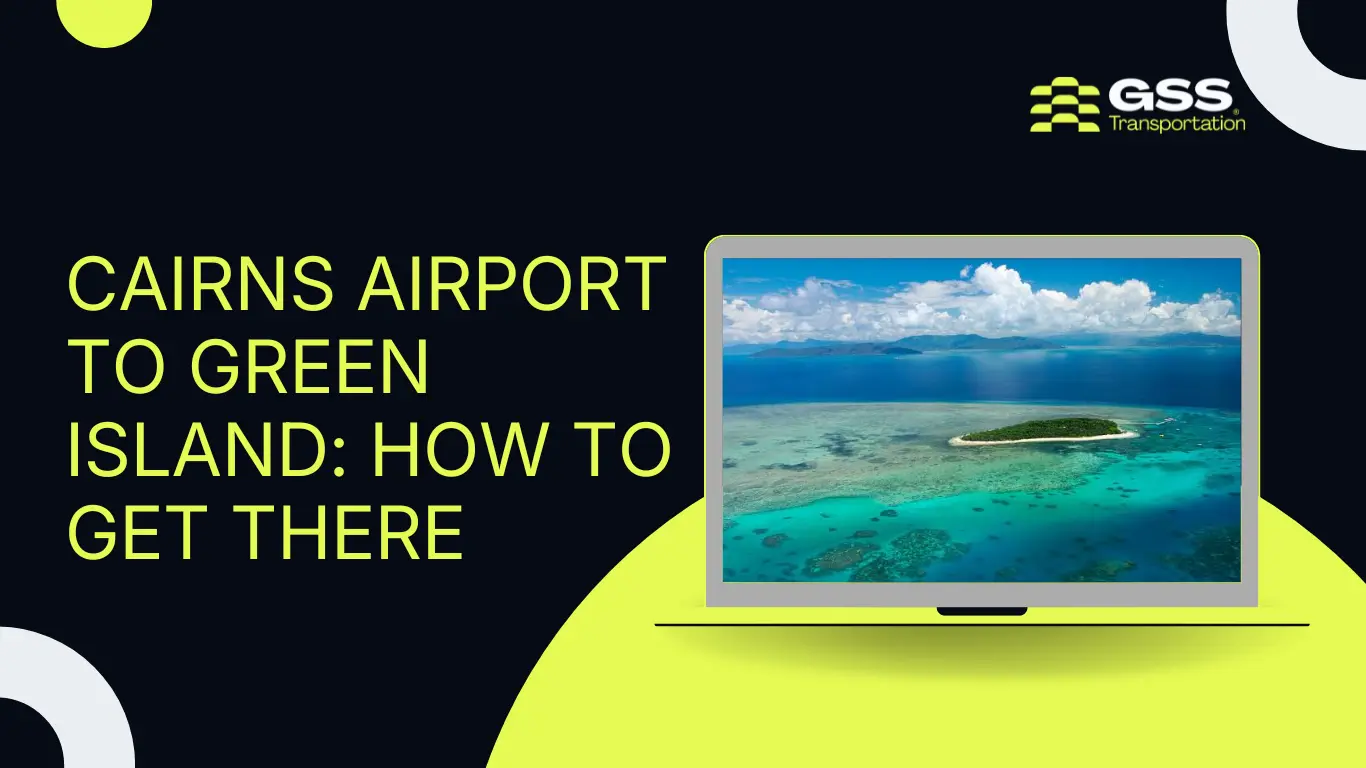
Green Island is the easiest genuine Great Barrier Reef experience to fit into a Cairns trip, and it’s a fundamentally different journey to the outer reef cruises most visitors picture when they think of “doing the reef.” Rather than a full day on a boat, Green Island is a short ferry hop to an actual coral cay, where you can walk on rainforest boardwalks, swim straight off a white-sand beach, and snorkel the surrounding reef, all within a half-day or full-day visit. This guide covers exactly how to get there, starting from the airport, what the ferry involves, and how to plan your time once you’re on the island.
What Green Island Actually Is
Green Island is a coral cay, a sandy island formed on the surface of the reef over thousands of years, sitting roughly 27 kilometres offshore from Cairns within the Great Barrier Reef Marine Park. At around 12 hectares and estimated to be some 6,000 years old, it’s both a national park and part of a World Heritage-listed marine environment, making it one of the most accessible genuine reef and rainforest combinations anywhere on the Australian coast.
Unlike an outer reef pontoon, which exists purely for reef access, Green Island has actual land to explore: a short rainforest boardwalk circuit, a resort with dining options, a dive shop, and Marineland Melanesia, a crocodile and marine life exhibit on the island itself.
Getting to the Ferry Terminal
All Green Island ferries and tour boats depart from the Cairns Reef Fleet Terminal on Spence Street, right in the heart of the city, not from the airport, and not from Palm Cove or Port Douglas directly. This is the same departure point used for the majority of the region’s reef and island tours.
Starting point | Distance to Reef Fleet Terminal | Typical travel time |
Cairns Airport | ~7 km | 15–20 minutes |
Palm Cove | ~25 km | 25–30 minutes |
Port Douglas | ~70 km | 60–75 minutes |
Given an early ferry departure often means a wheels-up start well before 8am, travellers staying in Palm Cove or Port Douglas should factor that transfer time in when booking, arriving at the terminal with time to spare for check-in matters more here than for a city-based traveller with a short walk from their hotel.
The Ferry Crossing
The crossing itself takes approximately 45 minutes each way by fast, air-conditioned catamaran, with check-in required at least 30 minutes before your scheduled departure at the relevant operator’s counter inside the Reef Fleet Terminal. Boarding times and exact check-in windows vary slightly by operator, so it’s worth confirming the specifics for your particular booking rather than assuming a single standard process across every ferry company.
Multiple operators run the route, generally with morning departures around 8:30am and 10:30am, and afternoon return sailings around 2:30pm and 4:30pm, giving visitors a genuine choice between a shorter half-day visit and a longer full-day stay of five to seven hours on the island depending on which departure and return combination is booked.
Transfer-Only vs All-Inclusive Packages
This is the main decision to make when booking, and it comes down to how much you want organised in advance versus arranged independently once you’re there.
Transfer-only packages include the return ferry crossing and general island access, but no equipment, guided activities, or meals. Visitors arrange everything themselves on arrival, hiring snorkel gear from the island’s sports hub, buying lunch at one of the island’s food outlets, and choosing their own pace and activities.
All-inclusive packages bundle the ferry with snorkel gear, a glass-bottom boat ride, and sometimes lunch, guided snorkel tours, an introductory scuba dive, or a semi-submersible reef viewing trip. These suit visitors who’d rather have the day structured for them rather than making arrangements on the island itself.
What to Do on Green Island
- The boardwalk circuit, a leisurely 1.3-kilometre return walk through national park rainforest to the island’s south-east beach, taking under an hour at an easy pace, with a self-guided walk brochure available from the information centre
- Beach swimming and snorkelling, straight off the white-sand beach, ideal for visitors who’d rather not join an organised boat-based snorkel trip
- Glass-bottom boat tours, a roughly 30-minute guided viewing of the surrounding reef and marine life for visitors who’d prefer to stay dry
- Marineland Melanesia, the island’s crocodile and marine life exhibit, a paid add-on separate from general island access
- Dining, a small selection of food outlets on the island cover everything from casual snacks to a sit-down lunch, useful for transfer-only visitors who haven’t pre-booked a meal package
Combine It With Fitzroy Island
For travellers wanting more than one island in a single day, some operators run a Two Island Explorer style tour combining Green Island and Fitzroy Island on the same day trip, departing Cairns in the morning and returning in the late afternoon, a genuinely efficient way to compare the region’s two most accessible islands without committing separate days to each.
A Protected Coral Cay
Green Island’s dual status as both a national park and part of a World Heritage-listed marine area shapes a lot of what visitors experience on-site. Much of the island is protected rainforest rather than developed resort grounds, which is part of why the boardwalk circuit feels like a genuine bushwalk rather than a landscaped resort path. This protection is also why activities like reef walking at low tide, removing coral or shells, and feeding wildlife are discouraged or restricted: the same conservation values that protect the reef more broadly extend to the cay itself. Visitors are generally asked to stick to marked paths and designated swimming and snorkelling areas, both to protect the fragile coral cay ecosystem and to keep the island in the condition that’s kept it a drawcard for well over a century of Cairns tourism.
Best Time of Year to Visit
Green Island is a year-round destination, and unlike some outer reef sites, its closer, more sheltered position means it’s less affected by the swell and wind that can occasionally disrupt further-out reef cruises. Dry season (May to October) offers the calmest seas and clearest water for snorkelling, while wet season (November to April) brings warmer water temperatures and typically thinner crowds, though visibility can be more variable, particularly after heavy rain increases runoff. Given the short 45-minute crossing compared with the longer transit to outer reef sites, Green Island is often a more forgiving choice on a marginal-weather day than committing to a full-day outer reef cruise.
What to Pack for a Green Island Day Trip
- Reef-safe sunscreen, required by many operators and important for protecting the surrounding coral regardless of whether it’s specifically checked
- Swimwear and a rash vest or stinger suit, particularly during stinger season (roughly November to May), even though Green Island’s swimming areas are generally well managed for this
- A hat and sunglasses, there’s limited shade directly on the beach, though the rainforest boardwalk offers a shaded break from the sun
- Cash or card for on-island food and any add-on activities not included in a transfer-only package
- A reusable water bottle, refill stations and food outlets are available on the island, reducing the need to carry large amounts of water from the mainland
Getting to Green Island If You’re Not Staying in Cairns City
Since every departure is from the Reef Fleet Terminal in central Cairns, travellers based in Palm Cove or Port Douglas need to factor in getting to the city first. Some tour operators include hotel pickup from the Northern Beaches as part of their package, worth checking at the time of booking, while others expect visitors to make their own way to the terminal. A private transfer into the city ahead of an early ferry departure removes the uncertainty of self-driving or arranging a rideshare pickup timed precisely enough to make a fixed check-in window.
Book Your Transfer
- Cairns Airport to City, The shortest run, and the natural base for a Green Island day trip given the ferry terminal’s central location
- Cairns Airport to Palm Cove, From $99, 25 minutes, with an onward transfer into the city for ferry departures
- Cairns Airport to Port Douglas, From $179, direct to your resort
- Full Price List, All routes and vehicle types
If your first ferry departure is early and your flight lands the night before, our guide to Cairns Airport late night arrivals covers what to expect if you’re landing outside normal hours ahead of an early start.
Frequently Asked Questions, Cairns Airport to Green Island
Green Island sits roughly 27 kilometres offshore from Cairns, with the ferry crossing from the Reef Fleet Terminal taking approximately 45 minutes each way.
All Green Island ferries depart from the Cairns Reef Fleet Terminal on Spence Street in central Cairns, not from the airport, Palm Cove, or Port Douglas directly.
Most full-day packages give visitors five to seven hours on the island depending on the departure and return times chosen. Half-day options are also available for a shorter visit of around three to four hours.
Not necessarily, transfer-only packages let you hire snorkel gear from the island's sports hub on arrival, while all-inclusive packages bundle gear in as part of the booking. Either approach works, depending on how much you'd rather arrange in advance.
Yes, but you'll need to get to the Reef Fleet Terminal in central Cairns first, since that's the sole departure point. Some tour operators include Northern Beaches hotel pickup as part of their package, worth checking at booking, otherwise a private transfer into the city ahead of your ferry check-in time is the most reliable option.
Yes. The boardwalk rainforest walk, beach time, glass-bottom boat tours, and on-island dining and shopping options mean there's a full day's worth of things to do without needing to get in the water at all.
Yes, some operators run a combined Green Island and Fitzroy Island day trip, allowing visitors to see both islands without booking separate days for each.
Often, yes. Its shorter 45-minute crossing and more sheltered position closer to shore mean it's typically less affected by swell and wind than the longer transit out to outer reef sites, making it a reasonably forgiving choice on a day when conditions elsewhere might be less certain.